She’ll Be Right: A Realistic Look Into Before, During, and After My Time Abroad

Date
January 26, 2026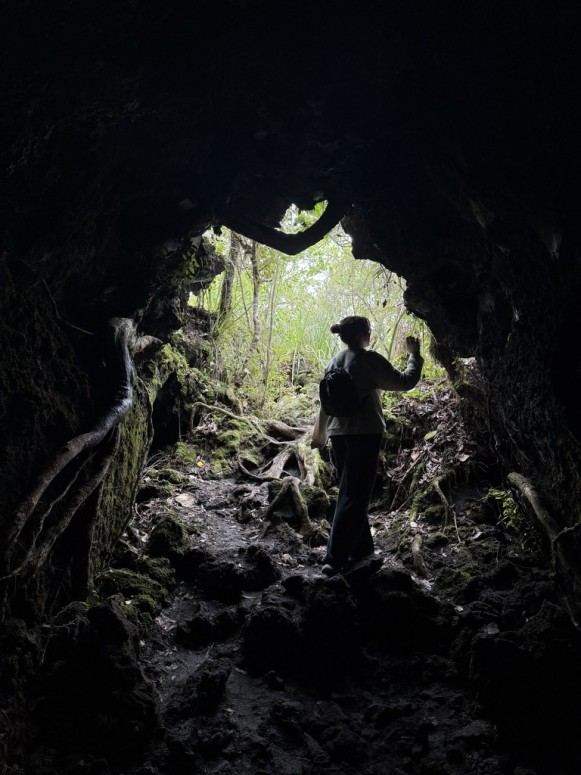
The summer of 2025–or my summer of 2025, considering it was about half the length of a typical college summer–was jam-packed, to say the least. Beginning on May 15th with my final exam and abruptly ending on July 5th with an international flight, I managed to squeeze in babysitting jobs, graduations, a wisdom teeth removal, garage sales, rugby training, pet-sitting, hosting an out-of-town friend, and welcoming new pets in less than two months. This was all on top of packing, orientations, and the mental preparation required to move to another country for four months. Honestly, I’m surprised I even made it to New Zealand in the end. As my departure approached, I was stuffing my suitcases way too full, trying to spend meaningful time with friends and family I wouldn’t see again until November at the earliest, and worrying about meeting new people and navigating life in another country. At the same time, I was incredibly excited–excited to live on my own, experience a new culture, form lasting relationships, and go on unforgettable adventures (my only set-in-stone goals being to see a kiwi bird and learn how to do a convincing Kiwi accent, only one of which was accomplished in the end).
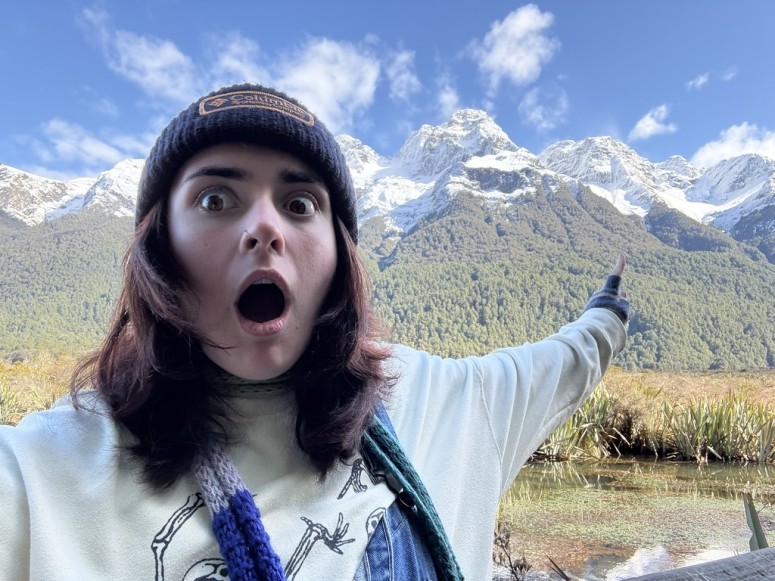
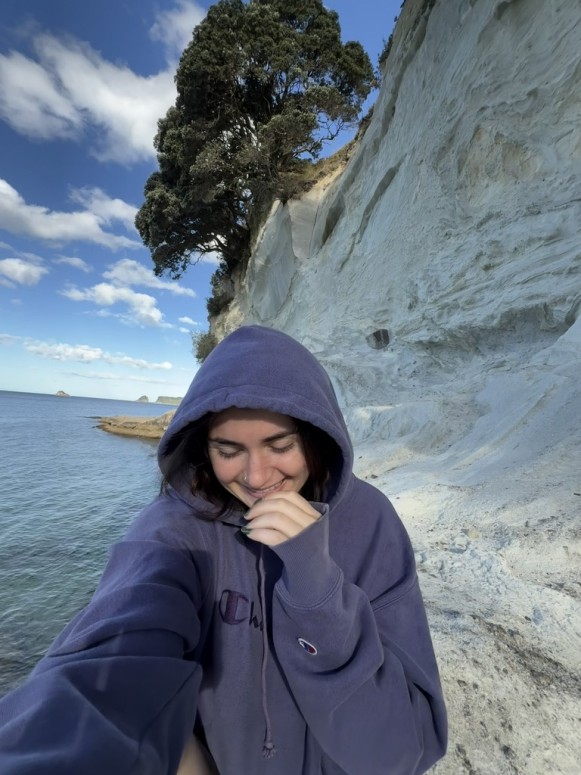
I didn’t experience much culture shock while transitioning into life in Auckland. This probably isn’t surprising since New Zealand is a primarily English-speaking Western country, very similar to the United States. The adjustments I faced weren’t so much about cultural differences as they were about the general challenges of living somewhere new. One adjustment that was immediately noticeable, however, was the weather. Auckland’s strong winds and frequent rain didn’t give us the warmest welcome, especially considering I had just arrived from a Northern Hemisphere California summer. Beyond that (and the very real heartbreak of discovering there is no Chipotle in New Zealand–a loss my friends and I spent countless hours mourning), my first weeks were quite busy. Everything started at once in the best way possible and I was always doing something new. Between Arcadia orientation events, the freedom of going out to bars and clubs, starting new classes in my area of interest, weekend trips, and planning an ambitious mid-semester break to the South Island and Fiji, my schedule was full and my mind constantly occupied. Our constant adventuring was fueled by how effortlessly beautiful New Zealand is–everywhere we went felt like it held another scenic viewpoint, hike, or coastline waiting to be explored. With so many natural sights packed into such a relatively small country, spending time outdoors quickly became a central part of my experience. As an only child who had always lived close to home, this period of exploration and independence was incredibly refreshing. Navigating everyday responsibilities–grocery shopping, paying phone bills, figuring out public transportation, and renting cars and camper vans–became part of my routine, and while I had done many of these things before, they had never been so integral to my daily life.
During the middle of my stay in Auckland, I dealt with a bout of depression. After I settled into life abroad, I began to miss the familiarity of home in California, and staying in touch with friends and family became challenging as we navigated busy schedules and significant time zone differences. I also found myself frequently worrying about money and trying to maintain a modest budget for groceries, small mementos for myself and loved ones back home, and weekend excursions with friends. Getting to class became more difficult during this time, but I continued to show up and stay on top of assignments and assessments. Alongside these challenges, I experienced FOMO and navigated normal friendship tensions–things that aren’t unique to studying abroad, but tend to surface unwelcome and unexpectedly.
In spite of these obstacles, my mindset shifted as I gave myself grace and focused on positive things I could control. Toward the end of my stay, I made more intentional, healthy choices like going to the gym regularly, trying out new healthy recipes, and getting back to a normal sleep schedule. I also discovered a genuine passion for photography, which felt inevitable while taking a photography class in one of the most beautiful countries in the world. I was able to visit a friend from my home university in Australia which helped ease my homesickness. Another grounding constant was rugby, a sport I started as a college freshman two years prior. Attending practices and watching professional matches in New Zealand was especially meaningful, as rugby has been such a cornerstone of my home university experience; the sense of community was just as supportive, welcoming, and familiar abroad. Outside of travel, classes, and rugby, my friendships deepened in simple ways through creating a Muppet-themed group Halloween costume together, getting my first tattoos alongside a friend who got his, and hosting movie night potlucks. Ultimately, seizing the moment, embracing independence, and finding my people made my time in New Zealand deeply rewarding.
Now that I’ve been home for a little over a month, I can confidently say that while I’m grateful to be back, I truly miss my time in New Zealand. Returning home came with its own challenges–I found myself slipping back into a similar low mental space, often getting lost in my camera roll, reminiscing and wishing I could go back to relive moments or create new ones. Don’t get me wrong, I’m thankful to be home, but it’s strange being in such a familiar place when I feel like a different person. I’m working on finding that same sense of wonder and excitement in the everyday moments at home–spending more time outdoors, trying new recipes, and settling back into a structured routine. I miss my friends from abroad deeply, but I’m making plans to reconnect with people locally and carry those relationships forward.
Looking back, I wouldn’t change any of my experiences or decisions, both good and bad. Having a “perfect” vision of how study abroad is supposed to look can actually hurt your experiences and relationships. My blog title features the common New Zealand phrase “she’ll be right,” which means that everything will work out in the end. That phrase reminded me to trust the process, even when I felt stressed or uncertain. This is simply my experience, and I encourage anyone reading this to take it with a grain of salt and make their own journey their own. There’s no single right way to study abroad. I fully support making unique mistakes and facing unexpected obstacles, because those moments–along with the joyful, carefree memories–are what truly help you grow.
These pieces were created by student contributors. The views and opinions expressed are their own and do not necessarily reflect those of Arcadia Abroad.